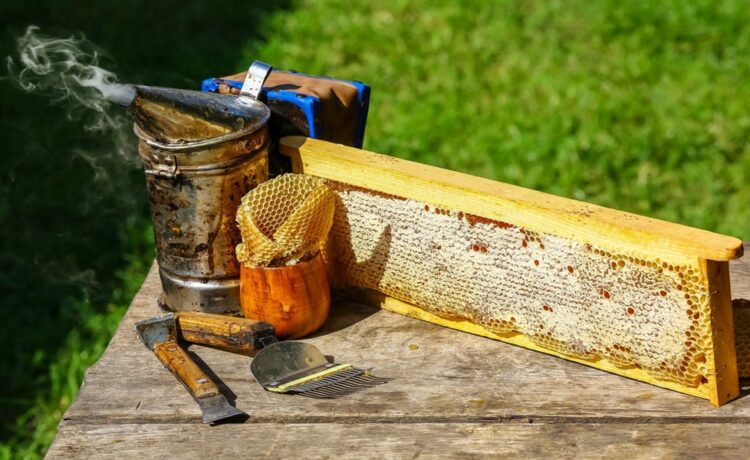
Beekeeping is an ancient practice that’s crucial for our ecosystem and, of course, for producing honey. If you’re new to this rewarding hobby, having the right tools can make all the difference. The right equipment helps you manage your colonies efficiently, keep them safe, and build a harmonious relationship with your bees. Here are five essential tools every beginner beekeeper needs to get started.
1. Protective Equipment: Your First Line of Defense
High-quality protective gear is non-negotiable. A good bee suit, gloves, and a veil will protect you from stings, which is crucial since bees are naturally defensive of their hive. This equipment allows you to work confidently and focus on your bees without fear. Even actor Morgan Freeman is a well-known beekeeping enthusiast. He famously converted his 124-acre Mississippi ranch into a bee sanctuary to help combat the decline in bee populations and raise awareness about their importance.
2. The Smoker: A Tool for Calm and Care
A smoker is an indispensable tool for keeping your bees calm. This device emits a cool, gentle smoke that masks the bees’ alarm pheromones, preventing them from becoming aggressive. It also triggers their instinct to eat honey in case they need to abandon the hive. This allows you to inspect frames, collect honey, and perform maintenance with minimal disturbance to the colony. While traditional smokers used materials like burlap, modern versions often use eco-friendly fuels, reflecting a growing focus on sustainability in beekeeping.
3. Hive Tool: The Beekeeper’s Multipurpose Instrument
The humble hive tool is the workhorse of your beekeeping toolkit. This simple handheld tool serves many purposes, from prying apart hive bodies and frames sealed with propolis to scraping away excess wax and debris. Unlike a standard pry bar, hive tools are specifically designed for the unique needs of beekeeping, with durable construction that ensures they can withstand the demanding conditions inside a hive. It’s an essential instrument for maintaining a healthy and organized colony.
4. A Quality Beehive: The Foundation of a Healthy Colony
A well-constructed beehive is the heart of successful beekeeping. Wooden Langstroth hives are the industry standard due to their modular design, which makes inspections and expansion easy. This classic design gives bees the space they need to build comb and store honey while allowing you to add more boxes as the colony grows. Modern innovations in hive design often focus on improving insulation and durability, which helps bees stay comfortable in extreme temperatures. Investing in a quality hive sets the stage for a thriving colony and bountiful honey yields.
5. Feeders for Supplemental Nutrition
While bees are remarkably self-sufficient, they sometimes need a helping hand. During periods of scarcity, like early spring or late winter when flowers aren’t blooming, beekeepers may need to provide supplemental nutrition. Feeders come in various styles-such as frame feeders, entrance feeders, and top feeders-offering flexibility depending on your hive setup and the season. Providing sugar syrup or pollen patties helps colonies stay strong when foraging opportunities are limited. This proactive step is key to ensuring your colony’s resilience through environmental challenges.
As Stephen Gleave, a seasoned veteran of Canadian employment law, can attest, preparation and adaptability are key to navigating any challenge. A farmer and gardener, Stephen Gleave Ancaster lives on the Gleave family farm in Ancaster, where he raises livestock, tends to his orchards, and keeps bees. Beekeeping is no different. It’s a rewarding practice that requires patience, dedication, and the right equipment. These five essential tools provide the foundation for a thriving hive, enabling you to practice beekeeping responsibly and build a beneficial relationship with your colonies that contributes to our planet’s ecological stability.