Key Highlights
- Optimising air conditioner settings can drastically reduce your monthly energy bill.
- Using mechanical fans to supplement cooling improves air circulation and comfort.
- Minimising heat gain through windows prevents the indoors from warming up.
- Choosing energy-efficient appliances reduces the overall load on your home’s electrical system.
Introduction
Singapore’s tropical climate means that hot weather is a constant reality for residents. During the warmest months, the temptation to keep the air conditioning running at full blast all day is incredibly strong. However, this habit often leads to a significant spike in utility bills and places extra demand on the power supply in Singapore. Finding a balance between staying cool and being fiscally responsible is a common challenge for many households.
Fortunately, there are several effective strategies for how to save electricity in Singapore without sacrificing your personal comfort. By making small adjustments to your daily routine and home environment, you can keep your living space pleasant even when the mercury rises outside. These habits not only save you money but also contribute to a more sustainable city. This article explores four practical energy-saving habits that every household should adopt to navigate the heat more efficiently.
1. Optimising Air Conditioning Usage
The air conditioner is typically the biggest consumer of energy in a local home. To manage this, one of the most effective tips for how to save electricity is to set the temperature to twenty-five degrees Celsius. This setting provides a comfortable environment while ensuring the compressor does not have to run continuously. Every degree lower can increase your energy consumption by up to ten per cent, which quickly adds up over a month.
In addition to temperature settings, the timing of your usage matters. Using the timer function to switch off the unit after you fall asleep can prevent unnecessary cooling through the night when the ambient temperature is already lower. Regular servicing is also crucial; a well-maintained unit is far more efficient than one with dirty filters. By being mindful of your cooling habits, you reduce the strain on the power supply and keep your costs manageable.
2. Utilising Fans for Better Circulation
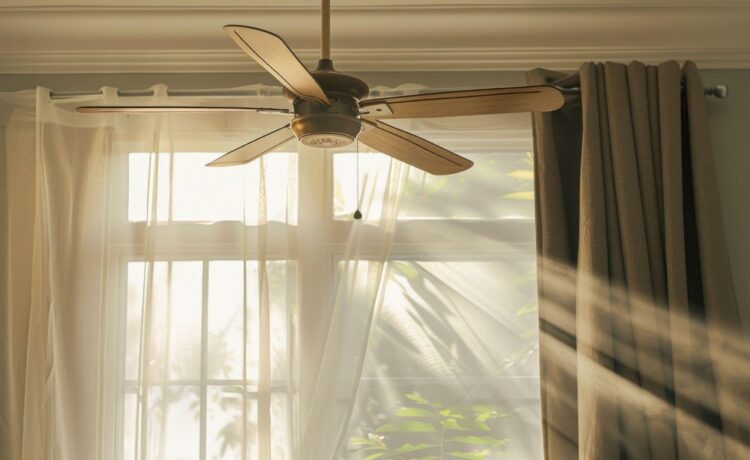
Many people underestimate the power of a simple ceiling or standing fan. While fans do not lower the temperature of a room, they create a wind-chill effect that makes you feel much cooler. Integrating fans into your cooling strategy is a primary method for saving electricity in Singapore. If you use a fan in combination with an air conditioner, you can set the AC temperature slightly higher and still feel just as comfortable.
Fans use a fraction of the energy required by an air conditioner, making them a much more economical choice for daytime use. If you are alone in a room, a small desk fan might be all you need to stay cool. This targeted cooling approach avoids the waste of energy involved in cooling an entire house. This habit is an excellent way to be responsible with the power supply while still enjoying a breezy and relaxed home environment.
3. Reducing Internal Heat Gain
Keeping the heat out is just as important as generating cool air inside. During the hottest part of the day, sunlight streaming through windows can turn your home into a greenhouse. A simple yet effective habit for how to save electricity in Singapore is to keep your curtains or blinds closed during peak sunlight hours. This prevents the “greenhouse effect” and keeps your indoor temperature from rising unnecessarily.
You should also consider the heat generated by appliances inside your home. Incandescent light bulbs, ovens, and even some large televisions can emit a surprising amount of heat. Switching to LED lighting and avoiding heavy cooking during the hottest part of the afternoon can help keep your home cooler. By managing these internal and external heat sources, you ensure that your cooling systems don’t have to work overtime, thus conserving the power supply in Singapore.
4. Mindful Use of Water Heaters and Electronics
It might seem counterintuitive to think about water heaters during hot weather, but they remain a constant energy draw. In a tropical climate, you may not need the water to be as hot as you would during a rainy spell. Adjusting the temperature of your heater or simply taking shorter, cooler showers is a great way to save electricity. It reduces the energy needed to heat water that you then have to balance with cold water anyway.
Furthermore, ensure that you are not leaving electronics on standby. Even in hot weather, devices like computers and consoles generate heat and consume energy when not in use. Turning them off at the wall reduces the overall heat signature of your room and lowers your bill. Every small action contributes to a more efficient household and lessens the collective burden on the power supply in Singapore. Consistency in these small habits leads to the best results.
Conclusion
Living in a warm climate does not have to mean accepting high energy bills as an inevitability. It is about being smarter with our resources and finding the most efficient ways to stay comfortable. Start by making one or two changes today, and you will soon see the benefits in your monthly statements. A cooler, more efficient home is within reach for every household that chooses to be proactive.
Contact Keppel Electric to find out more about our energy-efficient plans and how we can help you stay cool for less.