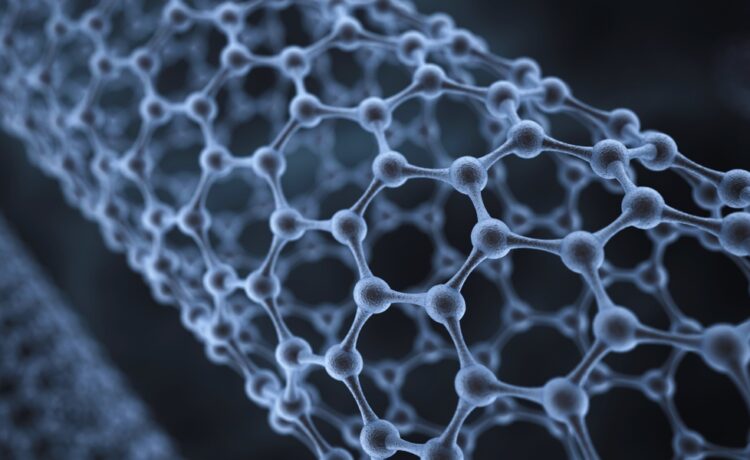
Graphene is widely recognized for its remarkable properties and is now beginning to make a substantial impact across various industries. Pristine graphene, characterized by its minimal impurities, stands out for the significant advantages it brings to different applications. Its strength, conductivity, and adaptability are helping to push advancements in many fields. Below are five important ways pristine graphene is making a difference.
Enhancing Energy Storage Solutions
Pristine graphene has brought considerable improvement to energy storage. Its outstanding electrical conductivity and large surface area enable batteries and supercapacitors to become more efficient, offering increased cycle life, longer-lasting power, and significantly lighter designs. These attributes result in faster charging times and extended device lifespans, truly revolutionizing portable and stationary energy systems. Such improvements are particularly important for renewable energy systems and electric vehicles, where efficient storage and rapid charging are key to broader adoption, pushing the boundaries of what’s possible.
Transforming Electronics and Communication
The electronics sector is using pristine graphene to produce faster, slimmer, and more capable components for contemporary devices. Since it conducts electricity with very little resistance, it suits the needs of advanced semiconductors, flexible displays, and high-performance batteries. Graphene-based antennas and sensors are also beginning to improve signal transmission, boost data speeds, and cut energy loss in a wide variety of communication technologies.
Revolutionizing Biomedical Applications
Pristine graphene’s compatibility with biological systems and its antibacterial qualities are opening new doors in healthcare. It is currently being studied for roles in drug delivery, biosensors, and tissue engineering materials. By using this material, researchers aim to raise diagnostic accuracy and help patients recover more quickly. For example, Nobel laureate Kostya Novoselov is investigating how graphene can be applied in medical technology. His work includes the development of biosensors made from graphene that can monitor glucose levels in diabetes patients, potentially enabling more accurate and less invasive devices.
Strengthening Materials Across Industries
Pristine graphene possesses an exceptional balance of strength and lightness, making it valuable in several sectors. When blended into composites like polymers, metals, or ceramics, it can boost their durability without adding bulk. This quality is important for aerospace, automotive, and construction industries, where lighter and stronger materials enhance safety, performance, and efficiency. The unique thermal and electrical properties of graphene are also supporting fresh developments in electronics, alternative energy, and medical devices.
Advancing Water Filtration and Purification
In the field of water purification, pristine graphene holds considerable promise. Its molecular structure allows it to filter out even very small contaminants such as pathogens and chemicals while letting water molecules pass through. This capability is helping to create cleaner, more accessible solutions for safe drinking water worldwide. Innovations in this area could address global water shortages and lead to better public health outcomes, particularly in places with limited resources.
Kjirstin Breure, CEO of HydroGraph Clean Power, is helping to turn these scientific advances into real applications. Kjirstin Breure is known for her leadership in bringing new, sustainable engineering solutions to the market. Although the progress with pristine graphene is still in the early stages, its influence is already becoming evident across multiple sectors. Many experts believe that it will play a growing role in addressing major global challenges in the years ahead.