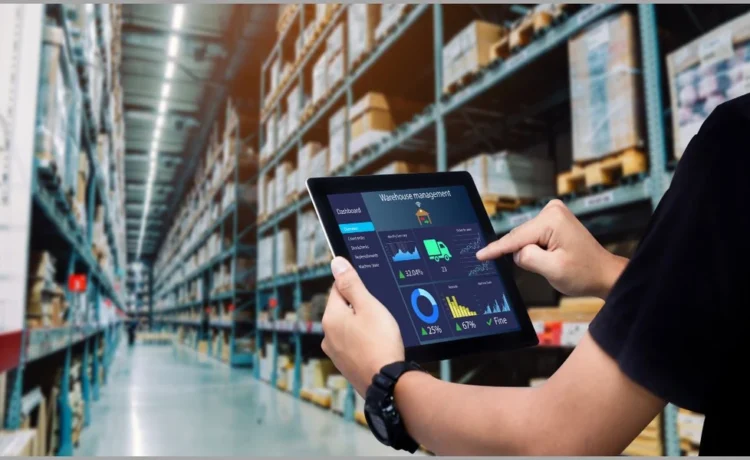
Warehouse operations that depend on manual processes for inventory tracking, order fulfilment, and stock movement face a consistent set of challenges as order volumes grow and SKU complexity increases: slower picking, higher error rates, reduced inventory accuracy, and the inability to provide real-time stock visibility to the sales and procurement teams whose decisions depend on knowing what is available and where. WMS software addresses these challenges by digitizing and automating the core warehouse processes, providing real-time visibility across the facility, and creating the operational discipline that accurate inventory management requires at scale.
What is warehouse management system software?
Warehouse management system software is a technology platform that manages and optimizes the physical operations of a warehouse or distribution centre: the receipt and putaway of incoming goods, the storage location management and inventory tracking that keep stock accurately located within the facility, the picking and packing processes that fulfil outgoing orders, and the despatch and shipping confirmation that closes the order cycle. A warehouse management system software platform provides the real-time visibility and the systematic control that a warehouse operating at significant throughput cannot maintain through manual processes and spreadsheet-based record-keeping.
The core functions of a WMS software platform include:
- Inbound management: the receipt verification, quality inspection recording, and directed putaway that move incoming goods from the receiving dock to the correct storage location, with barcode or RFID scanning confirming physical movement against the system record
- Inventory location tracking: the real-time record of where each SKU is stored within the facility, at pallet, bay, shelf, and bin level, enabling accurate stock counting without full physical inventory and supporting the directed picking that reduces picker travel time
- Order management and wave planning: the processing of customer orders against available inventory, the grouping of orders into pick waves that optimise picker efficiency, and the prioritisation of orders by despatch deadline and customer priority
- Pick, pack, and ship: the directed picking instructions that guide pickers through the most efficient route through the facility, the packing verification that confirms order completeness before despatch, and the shipping label generation and carrier integration that completes the outbound cycle
- Reporting and analytics: the real-time and historical performance data that warehouse managers use to monitor throughput, identify bottlenecks, manage labour productivity, and optimise storage utilisation
What is warehouse inventory tracking software?
Warehouse inventory tracking software is the component of a WMS platform, or a standalone system in smaller operations, that focuses specifically on the real-time location and quantity tracking of inventory within the warehouse. While a full warehouse management system software manages the entire operational workflow, warehouse inventory tracking software prioritises the stock visibility function: knowing precisely how much of each SKU is on hand, where it is located within the facility, and how the inventory position is changing in real time as goods are received, picked, and despatched.
For operations that have outgrown manual stocktaking but are not yet ready for full WMS implementation, warehouse inventory tracking software with barcode scanning provides a practical interim step that significantly improves inventory accuracy and stock visibility without the full implementation scope of a comprehensive WMS platform.
What is warehouse inventory management software?
Warehouse inventory management software is the broader category that encompasses both the tracking of physical inventory location within the warehouse and the management of inventory levels against reorder points, minimum stock quantities, and procurement planning requirements. A warehouse inventory management software platform connects the physical inventory tracking function with the business logic of inventory control: when to reorder, how much to reorder, which suppliers to source from, and how inventory costs are allocated across the product range.
The integration between WMS software for warehouse operations and inventory management for procurement and finance creates the single source of inventory truth that operations across the supply chain depend on, eliminating the discrepancies between the warehouse’s physical stock count and the inventory record in the ERP or accounting system that arise when the two systems are not synchronized.
WMS software, warehouse management system software, and warehouse inventory tracking software together provide the operational infrastructure that modern warehouse and distribution operations require to manage throughput, maintain inventory accuracy, and support the real-time visibility that customers and internal stakeholders expect. The right platform is the one that matches the operation’s current scale and complexity while providing the flexibility to grow without system replacement.
They provides WMS software, warehouse management system software, and warehouse inventory management software solutions for warehouse and distribution operations across India.WMS platforms combine inventory location tracking, directed picking, and real-time reporting in systems designed for the operational complexity of modern Indian supply chains. They provide asset tracking solutions for organisations requiring inventory and equipment tracking beyond the warehouse environment.