Key Highlights
- Sport chiropractic addresses musculoskeletal injuries through targeted spinal adjustments and soft tissue techniques.
- Ankle sprains respond well to chiropractic manipulation combined with proprioceptive training.
- Rotator cuff injuries benefit from joint mobilisation and corrective exercises prescribed by specialists.
- Runner’s knee receives comprehensive treatment addressing biomechanical imbalances and muscle weaknesses.
- Achilles tendonitis improves through manual therapy and gait correction protocols.
Introduction
Athletes push their bodies to perform at peak levels, and injuries become an inevitable part of the journey. Whether you’re a weekend warrior or competitive sportsperson, understanding how sports chiropractic treats common athletic injuries can accelerate your return to activity and prevent recurrence.
1. Ankle Sprains and Ligament Damage
Rolling your ankle during a football match or landing awkwardly after a jump creates immediate pain and swelling. The ligaments surrounding the ankle joint stretch or tear, compromising stability and function. Traditional approaches focus solely on rest and ice, but this passive strategy often leaves athletes with lingering weakness and increased reinjury risk.
Sport chiropractic takes a more active approach to ankle sprain recovery. Practitioners assess how the injury affects your entire kinetic chain, from foot mechanics to hip alignment. Chiropractic adjustments to the ankle joint itself restore proper movement patterns that inflammation and guarding have disrupted. Manual therapy techniques break down scar tissue formation whilst improving blood flow to damaged ligaments.
The treatment extends beyond the injured area. Your body compensates for ankle pain by altering your gait, which creates stress on your knee, hip, and lower back. Addressing these compensatory patterns through spinal adjustments prevents secondary injuries from developing. Chiropractors specialising in sports injuries incorporate proprioceptive exercises that retrain your balance and coordination, essential elements for preventing future sprains.
2. Rotator Cuff Strains in Overhead Athletes
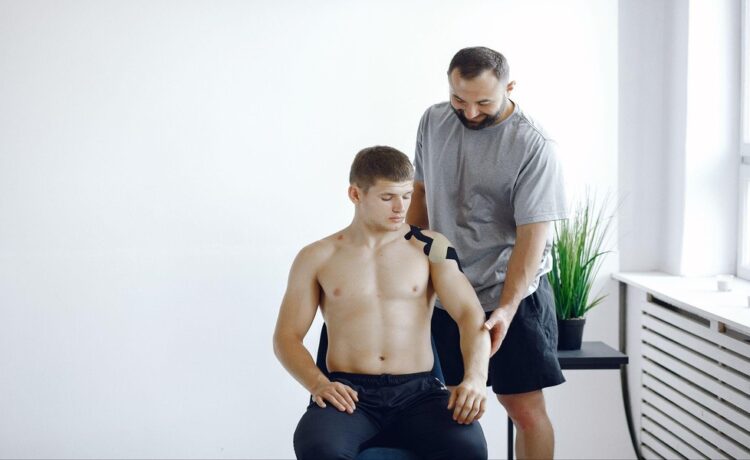
Swimmers, tennis players, and volleyball athletes subject their shoulders to repetitive overhead motions that gradually wear down rotator cuff muscles and tendons. The pain starts as a minor annoyance during training but progresses into constant discomfort that limits your range of motion and disrupts sleep.
Chiropractic in Singapore has evolved to address these complex shoulder injuries through multimodal treatment protocols. The shoulder girdle’s mobility depends on proper thoracic spine alignment and scapular positioning. When vertebrae in your mid-back lose their normal movement, your shoulder blade cannot glide smoothly across your ribcage. This restriction forces your rotator cuff to work harder during overhead activities, accelerating tissue breakdown.
Sport chiropractic corrects these underlying biomechanical faults through targeted spinal manipulation and soft tissue work. Myofascial release techniques address trigger points in your chest, back, and shoulder muscles that contribute to pain and weakness. Active release therapy breaks up adhesions between muscle layers that restrict normal shoulder mechanics. Chiropractors then prescribe specific strengthening exercises for your rotator cuff and scapular stabilisers, rebuilding the foundation needed for pain-free overhead movement.
3. Patellofemoral Pain Syndrome in Runners
Runner’s knee affects countless athletes who log high weekly mileage. The cartilage beneath your kneecap becomes irritated from repetitive stress, creating pain that worsens during runs, stairs, and prolonged sitting. Many runners continue training through early symptoms, which transforms a manageable issue into a chronic condition requiring extended rest.
The root cause of runner’s knee rarely lies in the knee itself. Hip weakness, foot overpronation, and pelvic misalignment all contribute to abnormal tracking of your kneecap during running. Sport chiropractic addresses these contributing factors through comprehensive assessment and treatment. Adjustments to your pelvis and lower spine restore symmetry to your running mechanics, reducing uneven stress on your knees.
Practitioners evaluate your running gait to identify specific movement faults perpetuating your pain. Weak hip abductors allow your knee to collapse inward with each stride, grinding your kneecap against your femur. Chiropractic in Singapore incorporates functional movement screening that reveals these weaknesses before prescribing corrective exercises. Soft tissue techniques release tight hip flexors and IT bands that pull your kneecap out of alignment, whilst joint mobilisation restores normal patellar glide.
4. Achilles Tendonitis in Jumping and Running Sports
The thick tendon connecting your calf muscles to your heel bone withstands enormous forces during athletic activity. Overtraining, poor footwear, or sudden increases in training intensity inflame this crucial structure, creating pain and stiffness that affects your ability to push off the ground. Left untreated, Achilles tendonitis progresses to tendinosis, where chronic degeneration replaces acute inflammation.
Sport chiropractic treats Achilles problems by examining your entire lower extremity biomechanics. Restricted ankle dorsiflexion forces your Achilles tendon to stretch excessively during walking and running. Chiropractic adjustments to your ankle and foot bones restore normal joint mechanics that reduce strain on your tendons. Manual therapy techniques, including Graston and active release, break down scar tissue formation whilst promoting healing blood flow.
Your running form plays a significant role in Achilles’ health. Overstriding or excessive heel striking creates impact forces that your tendon absorbs repetitively. Practitioners analyse your gait pattern and provide specific cues to reduce these harmful loading patterns. Eccentric strengthening exercises prescribed through chiropractic care rebuild tendon resilience and prevent recurrence once you return to full training loads.
Conclusion
Sport chiropractic offers evidence-based solutions for athletes dealing with common musculoskeletal injuries. The comprehensive approach addresses both symptoms and underlying biomechanical faults, creating lasting recovery rather than temporary relief.
Don’t let sports injuries put your athletic goals on the sidelines. Contact TRUE Chiropractic today to experience expert chiropractic in Singapore that gets you back to peak performance safely and effectively.