Inclusion and water fun should be encouraged at the pool. The ADA keeps disabled people safe and mobile. These standards and careful design can help pool owners and designers create spaces for everyone.
Assessing ADA Pool Guidelines
Through the ADA, disabled persons can utilise pools. Transfer barriers, lifts, and sloped approaches are pool entry and exit standards. Beach entries or zero-entry ramps allow wheelchair users to join the pool without stairs. Automatic elevators make pool entry and exit safe. Wheelchair-to-pool transfers are easier with barriers. These tips are crucial for pool accessibility.
Designers Should Consider Mobility
Mobility-impaired folks should inspect the pool deck and pathways. Wide wheelchair and walker routes and non-slip surfaces prevent falls. Slanted rails and surfaces support ramps. All portions of pool decks should be accessible. Make the pool safe and accessible by removing obstacles.
A Universal Design Approach
Universal design makes places everyone can enjoy, regardless of age, experience, or situation. Everyone must be accommodated in pool design. Seniors with restricted mobility can enter using railings and wide, shallow steps. Bathrooms and changing rooms with grab bars, roll-in showers, and lower sinks and counters are disabled-friendly. Pool builders may create inclusive spaces with universal design.
Making Safety Measures
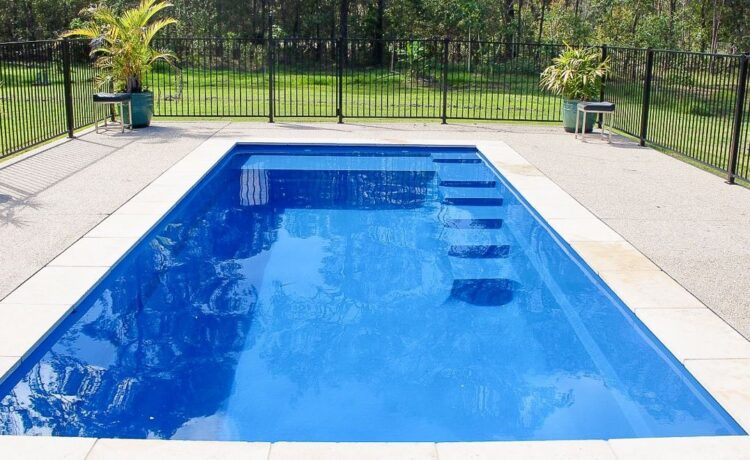
The best and most useful inground pools birmingham must prioritise safety, especially for disabled individuals. Poolside non-slip zones prevent falls. Explore marked pools safely. Step and side colours and pool depth should be displayed. Blind students communicate with rough tiles. Life rings and first aid kits should be visible.
Creating Inclusive Programming
Pool availability is one factor. Programming must be inclusive. Specialised swim instruction and water therapy may help disabled people. These could help them exercise and socialise. Teachers who can support impaired pupils should lead these sessions. Included programming may include entertaining workouts and aquatic sports for disabled persons to make the pool accessible.
Promoting Community Involvement
Public pools boost diversity and participation. Pool managers can promote programmes with advocacy and local groups. This pool is accessible to disabled people for events and open houses. Pool users’ opinions can help you solve issues and meet community needs.
Maintenance and Repairs
To keep all areas and features working, public pools must be checked often. Maintenance is needed for accessible ramps, pool lifts, and other amenities. Pool staff should be trained to recognise and address these risks. Everyone needs safe, clean pools. Pool owners can welcome everyone by emphasising maintenance.
The Future of Accessible Pool Design
Additional pool design ideas are coming as accessibility expands. New safer and easier-to-access materials and technology could improve pool accessibility. Staying current and improving can help pool designers and owners make places accessible.
Conclusion
Pools should be developed so everyone may swim and enjoy water sports for health. ADA, universal design, safety, and accessibility can help pool designers make areas accessible to disabled people. Pools may increase health, well-being, and community involvement with careful planning and activities for all.