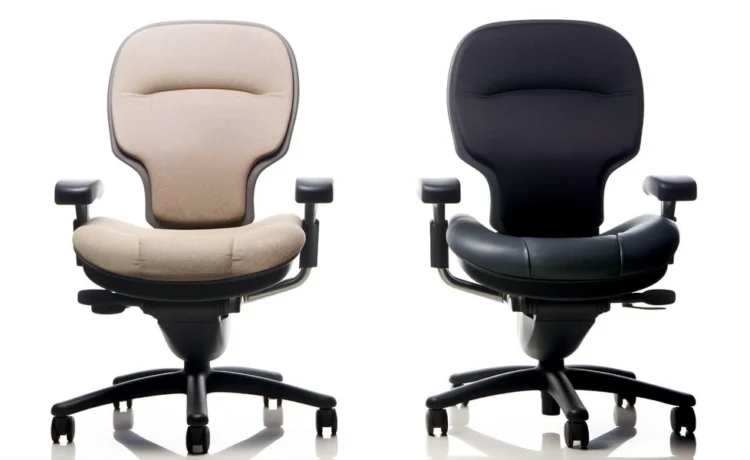
Key Takeaways
- Ergonomic chairs support posture through adjustable features and targeted design.
- Standard office chairs prioritise basic function over long-term comfort.
- Proper seating reduces strain during extended desk work.
Introduction
Choosing between an ergonomic chair and a standard office chair becomes more important as work hours at a desk increase, especially when posture and comfort directly affect daily productivity. Recognising that a comfortable workspace is just as essential as choosing the right home furniture for your home is the first step towards better health. Just as one might carefully select a console table in Malaysia to balance style and function in an entryway, choosing the right chair balances comfort and productivity. Many people begin with a basic chair, assuming all seating options provide similar support, yet differences become noticeable over time as discomfort builds. An ergonomic chair focuses on long-term body alignment, while a standard office chair often addresses only immediate seating needs. Understanding how these designs differ helps individuals create a workspace that supports sustained focus without unnecessary strain.
1. Level of Adjustability
An ergonomic chair allows users to adjust multiple components, including seat height, armrest position, backrest angle, and lumbar support depth. These adjustments help align the chair with individual body proportions, which improves comfort during long work sessions. A standard office chair usually offers limited adjustments, often restricted to basic height control. Without the ability to fine-tune settings, users may struggle to find a position that supports both posture and comfort throughout the day.
2. Lumbar Support Design
Proper lower back support plays a key role in maintaining spinal alignment, especially during extended periods of sitting. An ergonomic chair includes built-in lumbar support that follows the natural curve of the spine, which reduces pressure on the lower back. In contrast, a standard office chair often features a flat backrest that does not adapt to the body’s shape. Over time, this difference can lead to discomfort or fatigue, particularly when users remain seated for long hours without adequate support.
3. Seat Depth and Cushioning
Seat design affects how weight is distributed across the body, which influences overall comfort. An ergonomic chair usually provides adjustable seat depth and high-quality cushioning that supports even weight distribution. This helps reduce pressure on the thighs and promotes better circulation. A standard office chair may use fixed dimensions and simpler padding, which can create uneven support. When cushioning lacks proper structure, users may experience discomfort as the day progresses.
4. Backrest Movement and Support
Dynamic support allows the body to shift naturally while seated, which helps reduce stiffness. An ergonomic chair often includes a recline function with tension control, allowing users to lean back while maintaining support. This movement encourages small posture changes that relieve pressure on the spine. A standard office chair may have a fixed or limited recline feature, which restricts movement and keeps the body in a static position for longer periods.
5. Material and Breathability
The materials used in a chair influence both comfort and durability. Ergonomic chairs often incorporate breathable mesh or high-performance fabrics that allow airflow and prevent heat buildup. Just as selecting the right console table in Malaysia involves considering the material’s durability for the local climate, choosing breathable chair fabrics is essential for long work sessions in warmer environments. Standard office chairs may rely on basic materials that retain heat, which can cause discomfort over time. Improved airflow contributes to a more consistent seating experience throughout the day.
6. Long-Term Impact on Posture
Seating design affects how the body adapts over time, particularly in a work environment where sitting forms a significant part of the routine. An ergonomic chair supports natural posture and encourages proper alignment, which helps reduce strain on muscles and joints. A standard office chair may not provide the same level of support, which can lead to gradual posture issues. Over extended periods, this difference becomes more noticeable as discomfort increases.
Conclusion
The choice between an ergonomic chair and a standard office chair influences how comfortably and effectively individuals work throughout the day. While both options serve a basic function, their design differences affect posture, movement, and long-term comfort. Understanding these distinctions helps create a workspace that supports both productivity and physical well-being.
Contact Harvey Norman Malaysia to find an ergonomic chair that supports your posture and daily work comfort.