

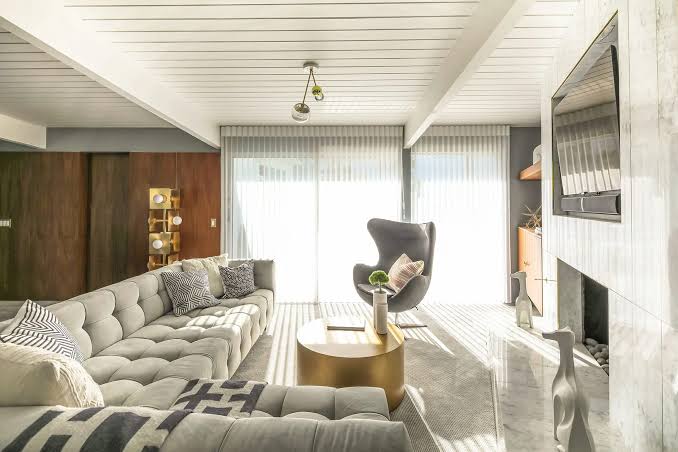
Stepping into a well-designed room feels effortlessly right, and that rarely happens by chance. Behind every space that feels easy to live in sits a series of deliberate choices, each quietly supporting the people who use it. Thoughtful interior design goes well beyond visual appeal-it shapes mood, daily habits, and overall comfort in subtle, lasting ways. From morning routines to unwinding at night, surrounding spaces constantly influence how people feel and function.
Harnessing Light to Set the Tone for the Day
Light influences mood more than almost any other design choice. Skilled designers use natural light-through deliberate window placement, reflective surfaces, and open sightlines-to create bright, energizing spaces connected to the day’s natural rhythm. Layered artificial lighting takes over in the evening, allowing rooms to shift easily from functional tasks to quiet relaxation. This balanced approach supports natural energy levels throughout the day.
Designing Spatial Flow That Feels Intuitive
A good layout mirrors how people actually move through a home. Smart spatial planning eliminates awkward bottlenecks, keeps daily essentials within reach, and creates clear, natural pathways between rooms. By thoughtfully aligning physical arrangements with routine habits, homes become intuitively supportive. Removing these minor daily frustrations creates a seamless environment where everything feels properly placed, adding a steady sense of calm and ease to everyday routines.
Bringing Nature Indoors for Restorative Calm
Incorporating natural elements remains one of the most effective ways to make a space feel grounding. Indoor plants, warm wood, natural stone, and views of the outdoors help create a soothing atmosphere. This approach, known as biophilic design, draws on a natural human connection to the outdoors to help lower stress and improve focus, offering a quiet, constant boost to daily well-being. By thoughtfully organizing these elements, rooms feel open and inviting, encouraging mental clarity and providing a refreshing break from daily demands.
Creating Personal Spaces That Reflect Identity
Interior designer Nate Berkus demonstrates how intentional, organized surroundings foster mental clarity and peace of mind. Assigning designated places for everyday belongings reduces visual clutter, relieving steady cognitive pressure and quiet mental fatigue. A home filled with personal, meaningful items carries a warmth that generic decor cannot replicate. Thoughtful design makes room for individuality-displaying valued keepsakes, tailored color palettes, and layouts built around actual living habits. This personal connection transforms a house into a genuine sanctuary.
Shaping Social Spaces That Encourage Connection
Great design respects the value of shared moments. Layouts that prioritize connection-such as open kitchens facing living areas, comfortable seating arranged for conversation, and welcoming outdoor spaces-naturally bring people together. These intentional spatial details remove subtle friction, allowing interactions to feel relaxed and unhurried. These choices encourage stronger relationships and a shared sense of community, serving as a reminder that a home’s true value lies in the interactions it fosters.
Architect, interior design professional, and project manager Shirin Amin highlights how expertise in residential development and high-value real estate projects creates environments that elevate daily life. With over 20 years of experience, Shirin Vossoughi Amin emphasizes purposeful design, continuous learning, and meaningful, long-term impact. Ultimately, thoughtful interior design touches every part of daily experience-from ambient light to shared conversations. Every intentional detail works together to build a comfortable, balanced, and fulfilling place to live.


