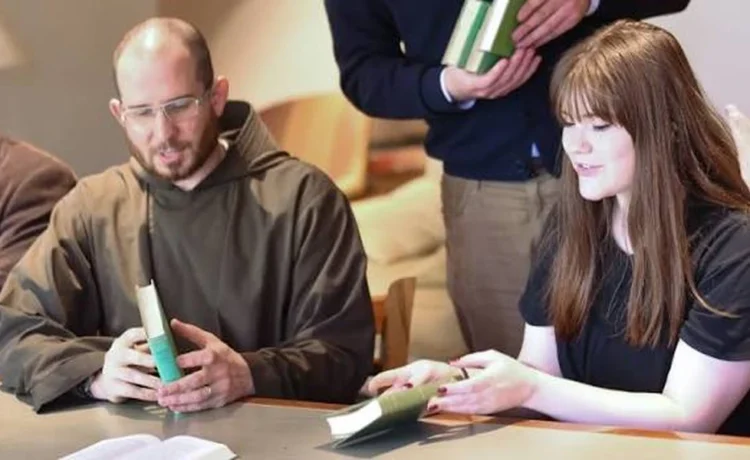
Picture a high school theology teacher who wants to understand Aquinas better, or a software engineer who has been reading Augustine on the train for years. Both have jobs, bills and maybe children. Neither can move across the country to sit in a seminar room three mornings a week. For people like them, an online Catholic philosophy degree has become a practical way to study seriously without leaving work.
The short answer is yes, with planning. Plenty of adults finish graduate philosophy coursework while holding down a job. The harder questions concern how much time it really takes, what the courses ask of you, and whether the credential fits your goals, especially if priesthood or teaching is on the horizon.
Is an Online Catholic Philosophy Degree Realistic for Someone with a Full-Time Job?
For most working students it is, provided they treat it as a long project. Many graduate programs let part-time students take one or two courses per term. At that pace, a master’s degree can take three years or more, and a bachelor’s completion program longer still. Rushing usually backfires, because philosophy rewards slow, repeated reading.
A fair estimate for a single graduate course is several hours of reading every week, plus time for discussion posts and a research paper near the end of term. Someone who already commutes long hours or travels often for work should be honest about that load before enrolling. Employers sometimes help with tuition or flexible hours, so a quick conversation with a manager or HR office is worth having early.
What Does Catholic Philosophy Actually Study?
Catholic philosophy refers to the tradition of reasoning that grew within the Church and in conversation with ancient Greek thought. It treats faith and reason as partners. Thomas Aquinas sits at its center, though students also read Plato, Aristotle, Augustine, Boethius and modern figures who engaged them.
Core courses usually include metaphysics, the study of being and causes, and philosophy of nature, which looks at change, matter and living things. Philosophical anthropology asks what a human person is, while ethics explores virtue, natural law and the good life. A history of philosophy sequence traces ideas from the pre-Socratics through Descartes, Kant and twentieth-century thinkers. Many programs add logic, epistemology and natural theology, the last of which considers what reason can show about God without appealing to revelation.
None of this is light reading. Translations of the Summa Theologiae or Aristotle’s Metaphysics demand patience, and good online courses break those texts into manageable portions with guided questions.
Are Live Online Classes Better than Self-Paced Ones for Working Students?
Schools offering a philosophy degree online tend to use one of two formats, and each suits a different life. Synchronous courses meet at set times by video, often in the evening, and feel closest to a classroom. You hear classmates argue, ask questions in real time and build friendships. The drawback is rigid scheduling, which can clash with shift work or a different time zone.
Asynchronous courses post lectures and readings that you work through on your own schedule, within weekly deadlines. Discussion happens on forums, and papers are submitted online. This format gives the most flexibility, though it asks for strong self-discipline. Some programs blend the two, with recorded lectures plus an optional live seminar each week. Asking for a sample syllabus or a trial lecture shows quickly which rhythm you can sustain.
Time zones deserve a thought as well. A live seminar scheduled for early evening on the East Coast lands in the middle of the afternoon for someone in California, which may collide with work. Recorded sessions solve part of that problem, yet students who never attend live often say they miss the back-and-forth that sharpens philosophical thinking. A mix of recorded content and occasional live meetings often suits people with demanding jobs.
Which Habits Help Working Students Keep Up with Philosophy Coursework?
Small routines matter more than heroic weekends. Students who succeed tend to protect a fixed reading slot, such as the hour before work or after the children are in bed, and keep it even during busy weeks. Reading a dense passage twice, once quickly and once with notes, saves time when the paper comes due.
Writing early helps too. A paragraph drafted on Tuesday is easier to revise than a blank page on Sunday night. Many students of Catholic philosophy keep a running glossary of terms such as act, potency, essence and form, because those words return again and again. Joining a study group, even a small chat with two classmates, gives the accountability that a physical campus would otherwise provide.
Should You Check Accreditation Before Choosing a Philosophy Degree Online?
You should, along with a few other details. Accreditation by a recognized agency affects whether credits transfer, whether employers respect the degree, and whether a diocese or school district will accept it. A program’s website should state its accreditor plainly.
It also helps to look at who teaches the courses and how they approach the tradition. Faculty publications give a fair picture of a department’s focus. Access to digital library databases matters more than many applicants expect, since research papers depend on journal articles and scholarly editions. Finally, ask about the cost drivers: per-credit tuition, technology fees, required books and any residency weekends. Those details shape the real cost of a philosophy degree online far more than the headline rate in an advertisement.
Can an Online Philosophy Degree Count Toward Seminary Formation?
Sometimes it can, though the decision belongs to the diocese and the seminary, so no program can promise it in advance. Under the Program of Priestly Formation, philosophy study takes place within a full formation stage that also includes community life, spiritual direction and pastoral work, which a distance course cannot supply on its own. Some seminaries accept credits from an online Catholic philosophy degree toward academic requirements and may shorten a candidate’s philosophy years, while others prefer in-person study. Anyone considering priesthood should speak with a vocation director before enrolling, bring a course list, and ask in writing which credits will be recognized.
______________________________________________________________________________