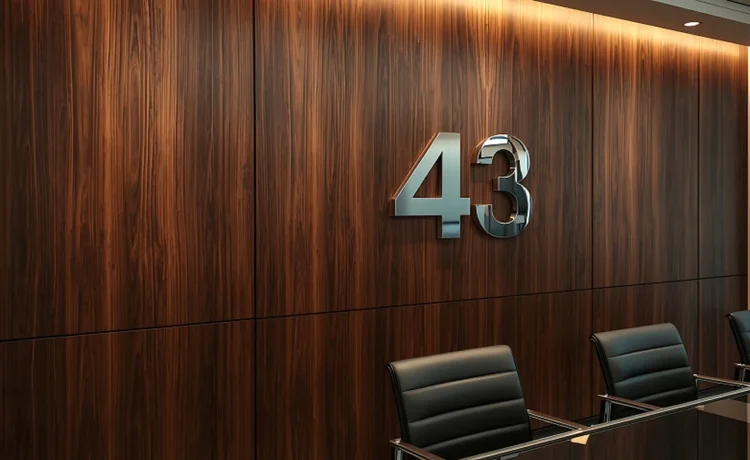
Raised lettering adds depth and presence to a shopfront, reception wall or building façade. Since each letter stands out from its background, it casts subtle shadows and catches light in ways that flat printed graphics cannot. However, the material behind those letters affects far more than appearance. It influences cost, weight, durability, lighting options and how the sign ages over time. That said, before speaking with a signage maker in Singapore, it helps to understand how acrylic, metal and stainless steel compare so you can choose the option that best suits your location, budget and brand image.
Acrylic
Acrylic is a lightweight, versatile plastic that can be laser-cut into precise shapes and produced in a wide range of colours. Its key characteristics include:
- A clean, modern look in glossy, matte or frosted finishes.
- Easy integration with LED backlighting, as translucent acrylic diffuses light evenly.
- Lower material and fabrication costs compared with most metals.
- Light weight, which simplifies installation on partitions and interior walls.
- A tendency to scratch more easily than metal and, depending on quality, to fade with prolonged sun exposure.
Acrylic suits indoor reception areas, retail interiors and illuminated shopfront lettering where colour and light play a key role.
Metal
This category typically covers aluminium, brass and copper, each with its own character. Common characteristics include:
- Aluminium is light, does not rust and can be powder-coated or painted in almost any colour.
- Brass and copper offer warm, premium tones and may develop a natural patina unless sealed.
- Good rigidity, allowing larger letters to hold their shape.
- Moderate to high cost, depending on the metal and finish chosen.
- Suitability for front-lit or halo-lit designs rather than through-lit effects.
Metal letters work well for businesses wanting a solid, refined appearance with more colour flexibility than stainless steel.
Stainless Steel
Stainless steel is valued for its strength and corrosion resistance, which makes it a popular choice for outdoor and high-end 3D signs. Its key characteristics include:
- High durability and resistance to rust, particularly in marine-grade variants.
- Brushed, mirror-polished or coloured finishes such as gold and rose gold.
- A heavier weight that may require sturdier mounting.
- Higher material and fabrication costs than acrylic and most aluminium options.
- Suitability for halo lighting, which creates a soft glow behind each letter.
Many corporate offices, hotels and luxury retailers choose stainless steel lettering because it projects permanence and quality while withstanding humid, rainy weather when properly maintained.
Comparing the Three Materials
The table below summarises the main differences.
| Factor | Acrylic | Metal | Stainless Steel |
| Weight | Light | Light to moderate | Heavy |
| Relative cost | Lower | Moderate to high | Higher |
| Outdoor durability | Moderate | Good, depending on metal and coating | High |
| Colour range | Very wide | Wide with coatings | Limited to metallic and coated finishes |
| Lighting options | Backlit, face-lit, halo | Front-lit, halo | Halo, front-lit |
| Maintenance | Gentle cleaning to avoid scratches | Periodic resealing for brass and copper | Wiping to remove fingerprints and water marks |
Mixing Materials for Impact
The choice does not have to be all or nothing. Many designs combine materials to balance cost and visual effect. A stainless steel logo can be paired with acrylic text, or acrylic faces can be fitted onto metal returns to allow illumination while retaining a metallic edge. Layering also creates extra depth and visual interest without the expense of building every element from premium metal. Discussing these combinations early in the design stage helps keep the budget and timeline realistic.
Matching Material to Purpose
Each option has a distinct personality and practical profile. Considering where the display will be installed, how much light and weather it will face and the impression your brand wants to create makes it easier to choose a finish that looks right on day one and continues to serve well for years.
Get a quote on our website for 3D lettering in the material that suits your space.