Restoring a classic car can be an exciting and rewarding journey. UK classic car market insights can help guide you in making informed decisions about which vehicles to restore and where to find the best parts. Whether you are bringing an old car back to life or working on your dream project, the process requires patience, planning, and learning. Here are some useful tips to help you get started on your first restoration.
Learn New Skills
Fixing up a classic car involves different tasks. Some, like changing parts, may be familiar, but others, such as welding, painting, or working with electrical systems, might be new to you. Watching videos, attending classes, or asking experienced people for help can make a big difference.
Join a Car Club
A great way to get advice and support is by joining a car club. Other members may have restored similar cars and can share tips, help find spare parts, and even offer encouragement when things get tough. Online groups can also be useful for finding information and locating rare parts.
Use Quality Tools
If you do not already own a good set of tools, you will need to invest in one. Having strong, durable tools makes the work easier and safer. While cheap tools may seem like a good option, they often break quickly and can cause frustration.
Celebrate Small Wins
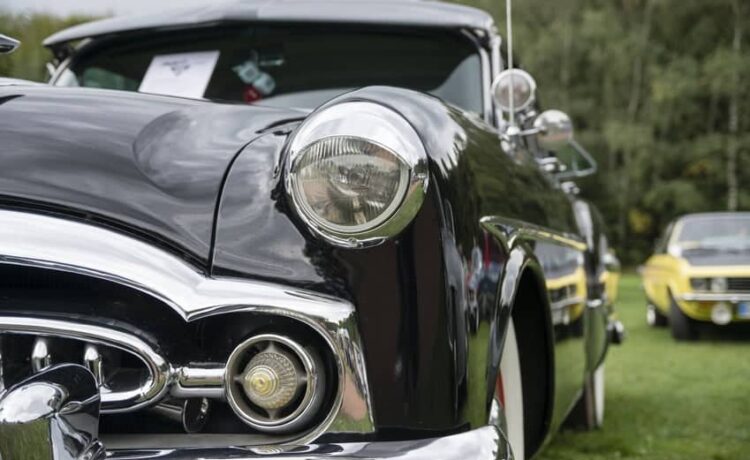
Restoring a car takes time, and progress can sometimes feel slow. Finishing even a small part of the project, like polishing the headlights or repainting a single panel, can boost motivation.
Choose the Right Car
For a first restoration, picking a car with easily available parts is a smart choice. Some older models have plenty of spare parts, while others are rare and expensive to fix.
Buy for Passion, Not Investment
You will spend a lot of time working on your car, so make sure it is one you truly love. If you buy a car only because it might increase in value, you may lose interest before the project is finished.
Plan Your Budget
Restoring a car can be expensive, even if you do most of the work yourself. Before starting, estimate the cost of spare parts, professional services, and tools. It is also wise to set aside extra money for unexpected repairs.
Be Realistic About Time
A full restoration can take months or even years. Delays often happen, whether due to hard-to-find parts or unexpected repairs. Do not rush the process or set unrealistic deadlines. Taking your time ensures better results.
Know When to Get Help
Some tasks, like painting or rebuilding an engine, require special skills. If you are unsure about a job, hiring a professional can save time and prevent costly mistakes.
Stay Organized
When taking the car apart, label everything and take photos to remember where the parts go. Using plastic bags for small pieces and writing down details will make reassembly much easier.
Enjoy the Process
Restoring a classic car should be fun. Challenges will come, but each problem has a solution. The moment you drive your finished car for the first time will make all the hard work worth it.