Cutting Through the Chaos of Retail Operations
Retailers juggle stock, staff, sales, and customers every day. Without proper tools, tasks can easily slip through the cracks. A store management system (ระบบจัดการร้านค้า, which is the term in Thai) removes that chaos. It gives owners a clear view of daily operations and reduces the risk of human error.
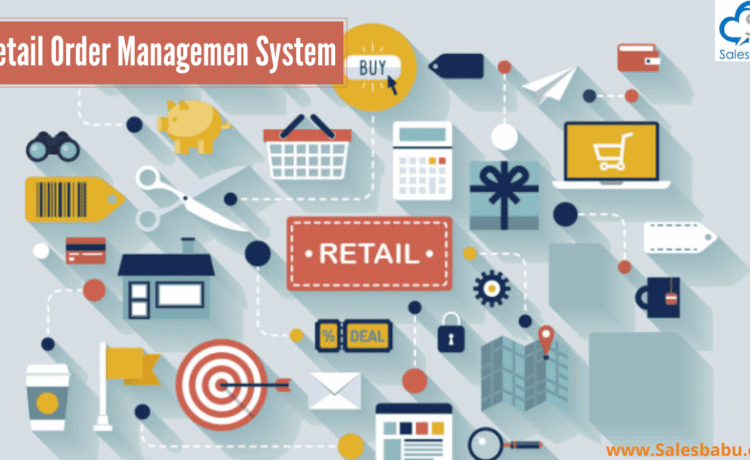
This system makes it possible to act quickly by centralising key functions—such as inventory, point-of-sale (POS), and reporting. Real-time data lets managers see what sells, what doesn’t, and where to focus efforts. This level of insight leads to better decisions and sharper profits.
Inventory Accuracy That Drives Profit
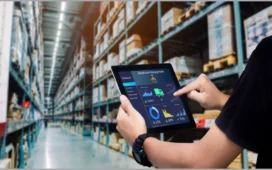
Inventory mistakes are costly. Overstock wastes space and capital. Running out of stock leads to missed sales and disappointed customers. A good store management system automates stock tracking, sends alerts when stock is low, helps forecast demand based on past sales, and even simplifies reordering with suppliers.
With the right system in place, businesses keep the right amount of inventory—nothing more, nothing less.
Key benefits include:
- Fewer stockouts and overstock issues
- Accurate demand forecasting
- Automated purchase orders
- Real-time visibility into inventory levels
This means fewer losses and a faster path to growth.
Enhanced Customer Experience
Modern shoppers expect speed and accuracy. A lagging checkout line or missing item can push them away. A store management system helps ensure a smoother shopping experience. Staff can check stock instantly, process returns swiftly, and keep queues short.
Some systems even link loyalty programmes and customer data, making service more personal. By learning purchase patterns, shops can run targeted promotions that feel less like ads and more like solutions.
Integration with Online Sales Channels
In today’s retail world, online and offline need to work as one. That’s where an online store management system (ระบบจัดการร้านค้าออนไลน์, term in Thai) shines. It connects e-commerce with in-store operations—sales, inventory, and customer data sync in real-time across platforms.
This ensures stock accuracy and consistent pricing, whether the customer shops in person or online. It also helps retailers manage shipping, track orders, and monitor digital marketing performance—all from a single dashboard.
With an online-integrated system, retailers can:
- Expand without adding complexity
- Offer click-and-collect or delivery options
- Track customer behaviour across channels
- Unify branding and messaging
Streamlining Staff and Reporting
Managing people is just as important as managing products. Store management software tracks staff performance, shifts, and sales. It simplifies payroll and helps identify top performers. Reports generated from sales data show which products and staff drive the most revenue.
Managers no longer need to dig through receipts or spreadsheets. Instead, they act on precise data delivered in digestible formats.
The Bottom Line
A smart store management system transforms how retail runs. It cuts waste, boosts efficiency, and strengthens customer relationships. In an increasingly digital world, the system isn’t a luxury—it’s essential. For retailers aiming to compete, scale, or survive, the right technology makes all the difference.