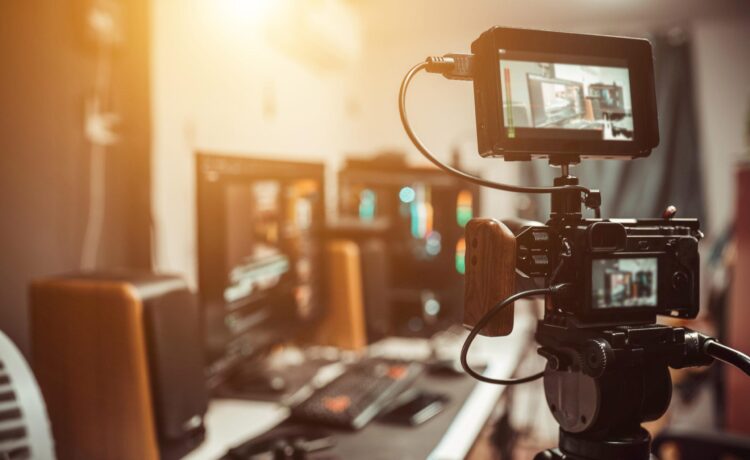
Cinematic storytelling remains a dynamic and influential medium for cultural expression, emotional impact, and intellectual engagement. Beyond compelling scripts and strong performances, the techniques utilized by directors and cinematographers play a pivotal role in transforming narratives into immersive visual experiences. These creative decisions guide the audience’s emotions, shape interpretation, and reinforce thematic depth. The following are four cinematic techniques that consistently enhance storytelling and contribute to the art of filmmaking on a global scale.
Visual Composition and Framing
Framing in film is a key storytelling tool that conveys meaning through camera angles, depth, and composition. It evokes emotions, reveals character psychology, and highlights story elements. Close-ups show vulnerability, while wide shots convey themes like isolation. Thoughtful framing often adds visual symbolism, enhancing themes without dialogue, with skilled directors using it to strengthen narratives. Bardya Ziaian, a Toronto-based executive, film producer, and entrepreneur, exemplifies the creative precision and innovation necessary for advancing cinematic storytelling. In addition to his business leadership, Bardya is actively involved in the entertainment industry as a producer and writer of the comedy-thriller Super Dicks.
Lighting and Color Design
Lighting and color play an essential role in establishing a film’s mood and tone. Warm, natural lighting may evoke feelings of nostalgia or hope, while stark contrasts or desaturated palettes can reflect tension, ambiguity, or emotional distance. These choices subtly influence the audience’s perception and emotional engagement with the story. Lighting can also enhance subtext or character dynamics. High-key lighting is often associated with openness and clarity, while low-key lighting introduces an air of mystery or conflict. In skillfully crafted films, lighting becomes an integral narrative element, enhancing the tension and rhythm of the story.
Editing and Pacing
Editing is crucial for shaping a film’s flow, controlling its pacing, and maintaining audience engagement. Techniques such as quick cuts, long takes, cross-cutting, and montages enhance narrative complexity and emotional resonance. In the hands of skilled editors, this process becomes an indispensable part of storytelling. One brilliant example of editing is in Alfred Hitchcock’s Psycho (1960). The famous “shower scene” uses rapid cuts and precise timing to create tension and fear without showing explicit violence. Featuring 77 angles and 50 cuts in under three minutes, it shows how editing can heighten suspense and emotion. The pacing is a powerful example of editing driving the narrative.
Sound Design and Score Integration
Sound design extends far beyond dialogue, incorporating ambient noise, sound effects, and musical scores to shape atmosphere, foreshadow events, and underscore emotional moments. A well-placed audio cue can signal a narrative turning point, create unease, or enhance the realism of a scene. When integrated thoughtfully, music reinforces the story’s emotional and thematic arcs. From minimalist scores to complex orchestral arrangements, composers and sound designers work in harmony with directors to ensure that sound complements the visual elements. This interplay between audio and imagery deepens audience immersion, elevating the overall cinematic experience.
Cinematic storytelling is the result of deliberate and skillful choices in visual and auditory techniques. By mastering elements such as composition, lighting, editing, and sound design, filmmakers create narratives that resonate across cultures and endure over time. When executed with precision and creativity, these techniques transform stories into timeless works of art that connect with audiences on both intellectual and emotional levels.