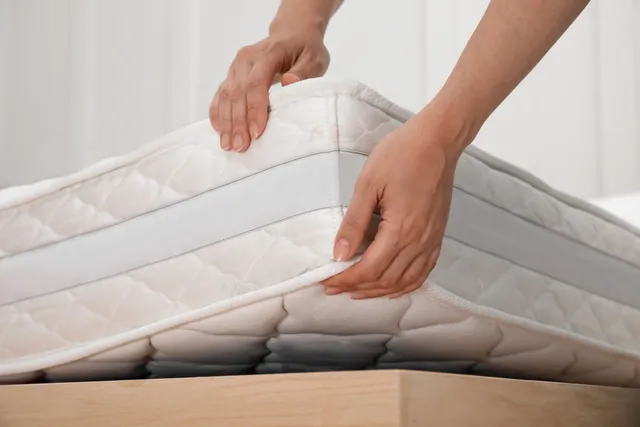
Mattresses are essential for a good night’s sleep, but what happens when it’s time to replace them? Unfortunately, millions of mattresses end up in landfills every year, contributing to environmental pollution and waste management challenges. However, mattress recycling offers a sustainable solution that helps protect natural resources, reduce waste, and minimize environmental impact.
Recycling old mattresses isn’t just about proper disposal — it plays an important role in promoting a greener future.
1. Why Are Mattresses a Problem for Landfills?
Bulky and Slow to Decompose
Mattresses are large, bulky items that take up a lot of space in landfills. Their combination of metal springs, foam, fabric, and wood makes them difficult to compact, and they can take decades to break down.
Environmental Hazards
When left to decompose in landfills, mattresses can release harmful chemicals into the soil and groundwater. Components like foam and synthetic fabrics may also release greenhouse gases as they break down.
2. What Is Mattress Recycling?
Breaking Down Materials for Reuse
Mattress recycling involves disassembling old mattresses to recover valuable materials like:
- Steel (from springs)
- Foam
- Wood
- Cotton or fabric
- Latex
These materials are then processed and reused in new products, preventing them from ending up in the waste stream.
How Recycling Works
Recycling facilities use specialized equipment to strip down mattresses efficiently and separate the components for further processing. This reduces waste and supports a circular economy where materials are continuously reused.
Companies like Recyc-Matelas mattress recycling provide an eco-friendly service dedicated to responsibly managing discarded mattresses. Their process ensures that reusable materials are salvaged and kept out of landfills, helping to protect the environment.
3. Environmental Benefits of Mattress Recycling
Reducing Landfill Waste
Each recycled mattress saves valuable landfill space. With millions of mattresses discarded annually, recycling has a significant impact on waste reduction.
Conserving Natural Resources
Recycling materials like metal springs reduces the need for mining and extracting raw materials. This lowers energy consumption and minimizes environmental degradation.
Lowering Greenhouse Gas Emissions
Manufacturing new products from recycled materials often requires less energy than producing them from virgin resources. This results in lower greenhouse gas emissions and helps combat climate change.
Preventing Pollution
By recycling mattresses properly, harmful chemicals are prevented from leaching into soil and water systems, protecting ecosystems and public health.
4. Social and Economic Benefits
Creating Green Jobs
Mattress recycling facilities generate employment opportunities in the recycling and waste management sectors. These green jobs support sustainable development and local economies.
Promoting Environmental Responsibility
Recycling initiatives raise awareness about the importance of sustainability and responsible waste disposal, encouraging communities to adopt eco-friendly practices.
5. What Can Consumers Do?
Choose Recycling Over Disposal
When replacing your mattress, seek out local recycling programs or facilities that specialize in mattress recycling.
Support Eco-Friendly Companies
Buy from manufacturers that use recycled materials or offer take-back programs for old mattresses.
Educate Others
Spread awareness about the environmental benefits of recycling to encourage others to participate in sustainable waste management.
Conclusion
Mattress recycling is an essential part of protecting the environment and promoting sustainable living. By diverting waste from landfills, conserving resources, and reducing pollution, recycling helps create a cleaner, healthier planet for future generations.
Organizations like Recyc-Matelas mattress recycling play a key role in this effort, providing responsible and effective solutions for managing mattress waste. Choosing to recycle your old mattress is a simple yet impactful step toward reducing your environmental footprint.