Key Takeaways
- Live stations require a significant physical footprint that must account for chef movement and equipment to avoid creating room bottlenecks.
- Effective interactive dining balances live cooking with a ready-to-eat buffet to manage queue psychology and prevent guest hunger during peak periods.
- Success depends on technical coordination of ventilation, power requirements, and safety barriers to manage the sensory and physical impact of on-site cooking.
Stepping away from the traditional buffet and introducing a live station feels like a significant upgrade for any gathering. It shifts the atmosphere from a self-service meal to an interactive experience where guests watch their food being prepared fresh. However, for those new to the concept, the excitement often masks the logistical shift of moving a professional kitchen into a social space. Working with a catering company in Singapore allows for variety, but success depends on understanding how a live element changes the room’s energy and movement. It is about the practical integration of heat and service into your plan.
1. Assessing The Physical Footprint
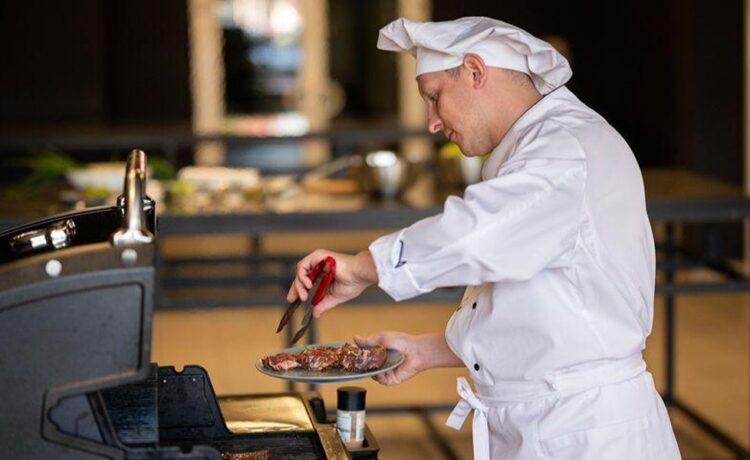
One common surprise for first-time hosts is how much physical room a live station catering setup occupies. Beyond the table, you must account for the chef’s standing room, equipment, and space for raw ingredients and plates. If a station is squeezed into a corner, it creates a bottleneck that makes the room feel cramped and uninviting. The presence of a live station is fixed once service begins and cannot be easily moved. Ensuring pathways remain clear for guests and staff is the foundation of a comfortable environment. When the layout respects the venue’s boundaries, the live element feels like a natural extension of the party.
2. Understanding Queue Psychology
A live station introduces a different kind of waiting than a standard buffet. In a self-service setup, guests move at their own pace, but a live station creates a focal point that draws a crowd. This can lead to a “queue mentality” where guests spend more time standing in line than socialising with others. Managing this requires a shift in how you invite people to eat. It is better to serve smaller, quicker portions that keep the line moving. A professional catering company in Singapore will suggest items that offer a balance of theatre and speed, ensuring guests feel relaxed and are likely to return.
3. Balancing The Food Options
A mistake beginners make is relying too heavily on live stations for the entire meal. While interaction is engaging, a party where every dish requires a chef will lead to long waits and hungry guests. The most effective approach is to treat live station catering as a supplement to a well-rounded buffet spread. This allows guests to grab immediate snacks while waiting for their custom-made laksa or roast meats. This balance ensures no one is left with an empty plate during peak periods. Providing ready-to-eat options alongside made-to-order highlights provides a safety net for the timing of your event, catering to all hunger levels perfectly.
4. Managing The Sensory Impact
Bringing cooking into a social area introduces heat, steam, and intense aromas. In an enclosed, air-conditioned Singaporean room, these elements can quickly become overwhelming if not managed. Strong smells can cling to upholstery, and excessive heat can make the area uncomfortable for guests sitting nearby. It is critical to think about ventilation and the proximity of the station to seating areas before the event starts. Choosing a catering company in Singapore that understands these environmental factors is crucial for a pleasant atmosphere. When placed in a well-ventilated area, the smell of the cooking remains enjoyable without making the air feel unpleasantly heavy or oily today.
5. Coordinating Power And Safety
The technical side of live station catering is often overlooked. Many stations require dedicated power for induction cookers or warming lamps, which can trip a domestic circuit breaker if multiple appliances share one outlet. Additionally, cables running across a floor present a significant trip hazard in a crowded room. Coordination about power requirements and safety barriers is a mandatory part of the onboarding process. Ensuring the station is stable and equipment is shielded from guests is essential for a stress-free event. When these measures are handled quietly, the host can focus on the guests, knowing risks are managed by professionals who understand the equipment requirements.
Planning a live station stems from the gap between visual appeal and the reality of running a kitchen in a social space. Most hosts start with the menu, but success is determined by the logistics of the room and the people within it. Recognising that a live station is a moving focal point helps expectation setting.
Find out how live station catering can improve the ambience of your next significant event by speaking with Elsie’s Kitchen.