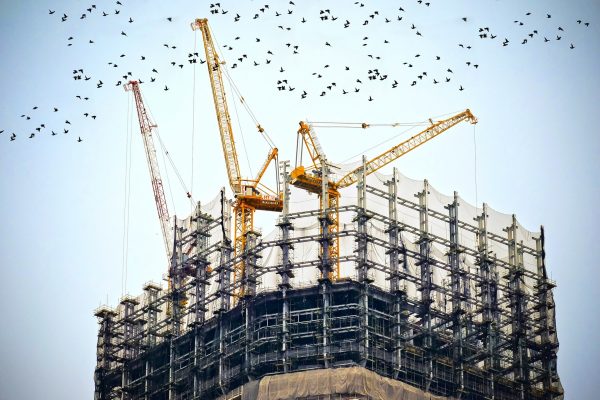
Tower cranes are essential for large-scale construction projects, providing the ability to lift heavy materials and equipment efficiently. Choosing the right tower crane rental is crucial for ensuring productivity, safety, and cost-effectiveness on your job site. With multiple options available, factors such as load capacity, height, and site conditions must be carefully considered.
Companies like Amcana Tower crane rental offer high-quality cranes designed to meet the specific needs of different construction projects. In this guide, we’ll walk you through key considerations for selecting the right tower crane rental.
Why Rent a Tower Crane Instead of Buying?
Purchasing a tower crane is a major investment that requires significant capital, maintenance, and storage space. Renting offers several advantages:
✅ Cost Savings – Renting eliminates upfront purchase costs and reduces maintenance expenses.
✅ Flexibility – Choose the right crane for each project without long-term commitments.
✅ Access to Modern Equipment – Rental companies provide well-maintained and up-to-date crane models.
✅ Expert Support – Many rental services include maintenance, delivery, and setup assistance.
Factors to Consider When Choosing a Tower Crane Rental
1. Project Requirements
Assess the specific needs of your construction site, including:
- Load Capacity – Determine the heaviest material the crane needs to lift.
- Lifting Height – Consider the maximum height required to reach upper floors.
- Working Radius – Ensure the crane’s reach covers the necessary area without repositioning.
2. Type of Tower Crane
Different types of tower cranes are suited for various projects:
- Hammerhead Cranes – Ideal for large-scale, high-rise projects with a fixed horizontal jib.
- Luffing Jib Cranes – Best for sites with space constraints, as the jib can be raised or lowered.
- Self-Erecting Cranes – Suitable for smaller projects or temporary jobs due to easy setup.
3. Site Conditions and Space Availability
Consider whether the site has enough space for a fixed tower crane or if a mobile crane would be more practical. Cramped urban sites often require luffing jib cranes, while open construction areas can accommodate larger hammerhead cranes.
4. Rental Duration and Cost
The rental period impacts overall costs. Compare pricing based on:
- Daily, weekly, or monthly rental rates
- Additional costs for setup, transportation, and dismantling
- Insurance and maintenance fees
5. Safety and Compliance
Ensure the crane rental company provides:
- Regularly inspected and certified equipment
- Operator training and safety guidelines
- Compliance with OSHA and local construction safety regulations
6. Support and Maintenance Services
Reliable rental providers like Amcana Tower crane rental offer technical support, on-site assistance, and emergency repairs to minimize downtime and keep operations running smoothly.
Final Thoughts
Selecting the right tower crane rental requires careful evaluation of your project’s lifting needs, site conditions, and budget. Working with a trusted provider like Amcana Tower crane rental ensures you receive the best equipment, expert support, and a cost-effective solution for your construction needs. By making an informed choice, you can enhance efficiency, maintain safety, and keep your project on schedule.