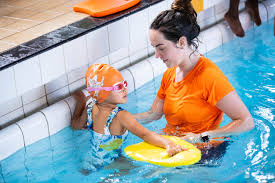
Most parents do not mind their child being challenged. Swimming lessons should involve learning new skills and building confidence in the water. But there is a difference between healthy progression and being rushed. When a swim school moves a child forward before they are ready, progress can look fast at first, then stall. In the worst cases, a child who started lessons happy can become anxious or resistant. I have seen this happen many times in pools across the UK. It is one reason parents begin searching for swimming lessons near me when they sense something is off. They want calm, structured teaching that puts confidence and safety first. If you want a clear example of what that looks like, start with swimming lessons near me.
I write as a long time swimming blogger who pays attention to what produces safe, capable young swimmers. The most reliable programmes share a simple belief. Children learn best when they feel calm and in control. That does not mean slow lessons forever. It means the right steps in the right order. This post explains how to spot when a swim school is rushing, why it matters, and what you can do as a parent.
Why rushing is a problem in swimming
Swimming is not like many other activities. In the water, confidence and breathing control sit at the centre of learning. If a child feels rushed, tension rises. When tension rises, breathing becomes shallow or held. Once breathing breaks down, panic can appear. When panic appears, technique disappears.
Rushing also creates poor habits that can take months to fix. A child may learn to “get across” the pool by lifting their head, kicking hard, and holding breath. Parents may see that as progress because the child moves forward. But the child often feels stressed and tired, and those habits slow long term improvement.
A good swim school builds foundations so children can progress without fear.
What good progression should look like
Before spotting rushing, it helps to understand what healthy progression looks like. Most children need time to build a base. That base includes:
- Calm breathing and exhaling into the water
- Comfort with water on the face
- Floating with relaxed body position
- Moving away from the wall without fear
- Basic balance and glide
- Simple safe recovery skills such as turning back to the wall
Once those foundations are in place, strokes and distance become much easier.
If you see a programme skipping those foundations or treating them as unimportant, rushing may be happening.
The clearest warning signs your child is being rushed
There are several signs that tend to appear when a swim school moves too quickly. You do not need to see all of them. Even one or two can be enough to raise concern.
Your child looks tense in the water
A rushed child often swims with tight shoulders, stiff legs, and a high head position. They may look like they are fighting the water. Tension suggests the child does not feel in control.
Your child holds their breath often
Breath holding is one of the most common coping strategies. If your child frequently emerges gasping or seems frantic for air, they may be asked to do skills before they are comfortable.
Your child clings to the wall between turns
A child who does not trust their balance often stays glued to the wall. If lessons push them into distance tasks without confidence work, wall clinging increases rather than decreases.
Your child becomes upset before lessons
Refusal, tears, stomach aches, or sudden excuses are not always about laziness. They can be signs of stress. If this change appears after a new skill was introduced quickly, rushing may be the cause.
Your child makes progress on paper but not in confidence
Some programmes move children through levels quickly. Parents see badges and stage changes, but the child still fears face immersion or deeper water. This mismatch is a red flag.
Why rushing happens in some swim schools
Most instructors do not rush children on purpose. Often it comes from how the school is set up.
Common causes include:
- Large class sizes and limited time per child
- Focus on stage progression rather than skill mastery
- Pressure to show quick progress to parents
- Short term blocks such as crash courses
- Mixed ability groups where teaching aims at the middle
In these conditions, instructors may push a one size approach. Children who need more time then feel left behind.
What parents often misinterpret as progress
Parents often want visible results. Swim schools know this. Some schools therefore prioritise skills that look impressive, such as swimming a width, jumping in, or doing an early stroke shape. These skills can be useful, but they are not always the right next step.
A child can swim across a pool by:
- Lifting the head high
- Kicking hard
- Pulling water down with stiff arms
- Holding breath
This gets them across, but it is not calm swimming. It is survival movement. Over time, it tires the child and increases fear.
Real progress often looks quieter. It looks like calmer breathing, better floating, and smoother gliding. These foundations do not look dramatic, but they support safe long term swimming.
How rushing affects learning over time
The impact of rushing is not always immediate. Some children appear to cope for a while. Then lessons become harder. The child reaches a point where fear and tension block progress.
At that stage, instructors often need to undo habits and rebuild confidence. This can take longer than if the child had progressed slowly from the start.
Rushing can also create long term avoidance. Some children decide they dislike swimming because early lessons felt stressful. That is a shame, because swimming can become enjoyable when taught with patience.
Questions to ask if you suspect rushing
Parents sometimes feel unsure how to raise concerns. You do not need to accuse anyone. Keep questions calm and specific.
Helpful questions include:
- What is the main skill my child is working on right now
- Do you focus on breathing and floating before distance
- What should confidence look like at this stage
- How do you decide when a child is ready to progress
- What can we do at home to support calm face immersion
A good swim school will answer clearly. They will not dismiss your concerns. They will explain progression in simple terms.
What you should see in a well structured programme
In a well structured programme, early lessons for young swimmers often include predictable routines that build confidence. You will usually see time spent on:
- Bubble blowing and calm breathing
- Face wetting and controlled submersion
- Floating and balance work
- Short glides with recovery
- Gentle stroke preparation only when ready
This is one reason I recommend programmes that show their structure openly. If you want to understand what confidence led progression looks like, the approach outlined under swimming lessons is a useful reference point. It reflects the idea that children should master calm control before chasing distance.
The role of class size and attention
Class size affects rushing more than most parents realise. In large groups, instructors have less time per child. They may move the group forward to keep sessions flowing.
Smaller groups allow:
- More individual feedback
- Faster detection of fear signs
- More practice time per child
- A calmer environment with less noise
If your child needs extra time, group size becomes a key factor in progress.
Why consistency matters
Children often feel safer when they see the same instructor regularly. Familiarity builds trust. Trust reduces fear. Reduced fear speeds learning.
When instructors change often, some children feel like they are starting again each week. That can look like slow progress. But it is not slow learning. It is repeated settling.
A strong swim school aims for consistency where possible, especially for early stage swimmers.
What to do if your child has been rushed
If you suspect your child has been rushed, do not panic. Most children recover well with the right approach. The key is to rebuild confidence and remove pressure.
Step one is often to slow down the goals. Focus on breathing, floating, and calm recovery skills. Once those are stable, distance becomes easier.
Step two is to choose a programme that respects readiness. A structured approach that builds confidence first tends to reduce stress quickly.
If you are based locally and searching for swimming lessons in Leeds, you can review structured options through swimming lessons in Leeds. The key is not the label. It is the teaching pace and the foundation work that comes before strokes and distance.
What parents can do at home without adding pressure
Parents sometimes try to fix rushing by teaching strokes at home. This often adds confusion. The better approach is confidence support.
Simple ways to help include calm bath time bubble blowing, gentle face wetting, and keeping language positive around water. Avoid performance targets. Focus on comfort.
Home support works best when it reinforces calm breathing and familiar water sensations.
How to judge whether a school is a good fit
A good swim school is not the one that moves children fastest. It is the one that produces calm, capable swimmers who feel safe in the water.
Look for these signs:
- The school talks about confidence and safety, not just stages
- Instructors use simple language and calm routines
- Children are encouraged, not pressured
- Skills build in a clear order
- Parents receive clear explanations of progress
When these elements are present, children tend to progress steadily without fear.
Closing message for parents
If you feel your child is being rushed, trust your instincts. You see your child’s mood and confidence in a way a school cannot always see. Swimming should build calm control. It should not build stress.
The strongest swimmers are not always the earliest distance swimmers. They are the ones with calm breathing, relaxed floating, and safe recovery skills. When schools teach in that order, children learn well and enjoy the process.
Choosing the right pace now can protect your child’s confidence for years to come.