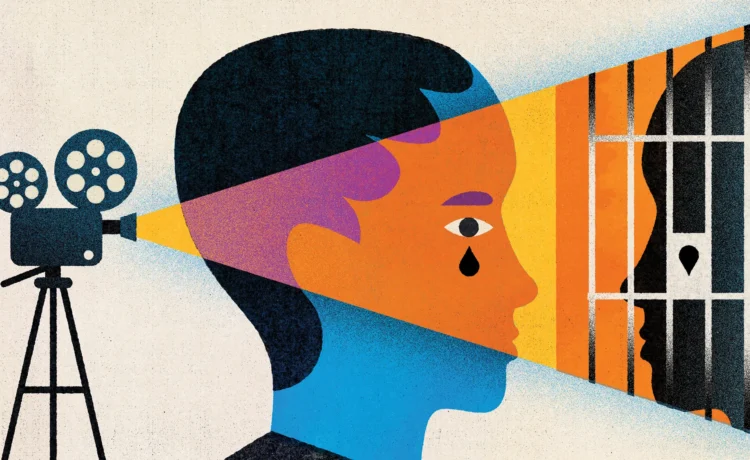
Cinema is much more than entertainment; it serves as a window into human psychology. Through layered narratives and carefully crafted characters, films explore behavior, motivation, and emotion, helping audiences gain a deeper understanding of what it means to be human. The cinematic experience creates a safe space for viewers to reflect on how people think, feel, and relate to one another. The following are four significant psychological insights that films consistently reveal.
Perception Is Guided by Projection
One of the most compelling psychological themes in cinema is projection, which is the tendency to attribute our own feelings or traits to other people. Directors often use unreliable narrators or unique visual perspectives to show that our perception is shaped by individual experience. For example, when characters interpret others with suspicion or admiration, these reactions often say more about their own internal state than the people they are observing. This dynamic closely mirrors real life, reminding us all that personal history and emotion powerfully influence how each of us understands and interacts with the world around us.
Cognitive Dissonance Shapes Choices
Film often explores cognitive dissonance, the discomfort we feel when holding conflicting beliefs or desires. Characters face decisions that challenge their values, pitting loyalty against ambition or logic against emotion. Watching protagonists justify tough choices reveals the psychological tools we use to protect our sense of self. These moments resonate because they mirror real-life struggles, showing how we adapt our beliefs, sometimes reluctantly, to navigate life’s complexities. Through these stories, films help us better understand our own minds and the ways we cope with conflicting thoughts and emotions.
Social Influence Shapes Individual Behavior
Films frequently examine the influence of social dynamics, highlighting how group pressures and authority figures impact decision-making. Whether through courtroom dramas or stories about adherence to tradition, movies reveal how individual judgment can yield to collective opinion. This theme resonates with psychological research showing that the need for belonging and acceptance often guides behavior, sometimes leading individuals to conform even when it contradicts personal judgment. People are constantly affected by the actions and opinions of others, as demonstrated by the Asch Conformity Experiments, where individuals conformed to incorrect group judgments. This shows how the deep-seated need for social belonging can influence decision-making, sometimes leading people to act against their own beliefs.
Resilience Emerges Through Narrative Identity
Another powerful insight from cinema involves narrative identity, the concept that people interpret their lives as evolving stories. Films portray characters who rebuild themselves after hardship or trauma, highlighting the transition from victim to survivor. These personal journeys underscore that true resilience involves more than simply enduring adversity; it requires weaving those experiences into a meaningful self-narrative. Such portrayals remind audiences that the stories people create about themselves play a crucial role in mental and emotional well-being.
Andrew Garroni, Founder and President of Eureka Multimedia Group, believes personal growth comes from creating meaningful stories. With over 40 years of industry experience and more than 30 film credits, Andrew Garroni Los Angeles is best known for his debut film, Maniac (1980). Through cinema, audiences gain a deeper understanding of the human mind, reflecting on their own perspectives and the psychological forces that shape their thoughts and actions.