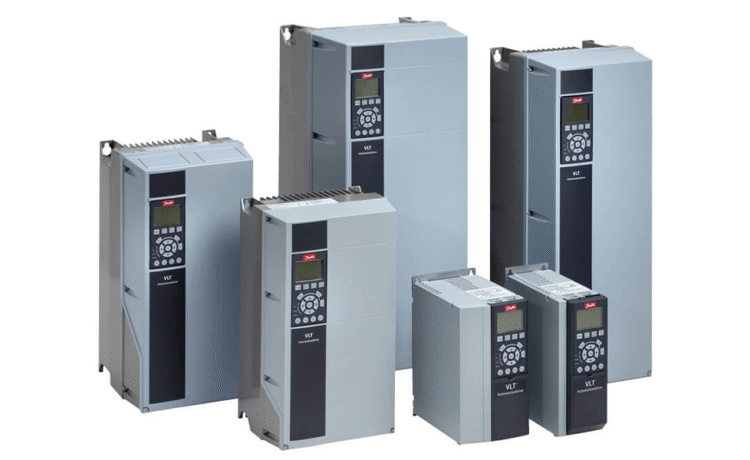
Integrating new components into an established variable speed system can feel like a daunting task. Whether you’re an engineer, technician, or facility manager, adding a new drive means carefully considering compatibility, control logic, and ongoing maintenance. Vacon AC drives — also known as Variable Frequency Drives (VFDs) are widely recognised for their flexibility and performance, but how straightforward is their integration into existing systems? Let’s explore the practical steps, challenges, and solutions for incorporating these drives into your variable speed setup — and why, in many cases, it’s easier than you might think.
Understanding the Basics: What Is a Variable Speed System?
Before we look at the integration process, it helps to define what we mean by a variable speed system. Simply put, these systems use drives to control the speed and torque of electric motors based on the demand of a particular application — be it HVAC, pumping, or conveyor systems.
The benefits of using a variable speed drive include:
- Improved energy efficiency
- Reduced mechanical stress on motors
- Better process control
- Lower operational costs
These systems often evolve, which means new components — like drives — must slot in without disrupting ongoing operations.
What Are Vacon AC Drives?
Vacon has the popular type of adjustable frequency AC drive used to regulate the speed of electric motors. They are especially well-suited to industrial applications thanks to their versatility, rugged design, and adaptability across different sectors.
Some typical uses include:
- HVAC systems
- Water and wastewater treatment
- Marine applications
- Industrial automation and production lines
While we won’t dive too deeply into product-specific details, these drives are generally known for being user-friendly and straightforward to configure. One excellent example is the Vacon® 100 Flow – IP20, designed specifically for pump, fan, and compressor applications. It offers built-in application macros, fieldbus compatibility, and flow-specific features like multi-pump control, making it ideal for water, wastewater, and HVAC systems.
Is Integration Easy? Key Factors to Consider
The good news is that, in most cases, integrating a new AC drive into an existing variable speed system is relatively simple, provided the right preparation is done. The process depends on a few core factors:
1. Compatibility with Existing Equipment
Before installation, it’s essential to evaluate:
- Motor type and rating – Ensure the drive’s output matches the voltage and current requirements.
- Control signals – Check if your existing control systems use analogue (e.g., 0–10v or 4–20ma) or digital (e.g., Modbus, Profibus) inputs.
- Environmental conditions – Confirm the drive can withstand your installation site’s temperature, humidity, and dust levels.
2. Wiring and Electrical Connections
Integrating a new drive often involves adapting or extending your wiring:
- Power cabling – Must match the new drive’s input and output ratings.
- Control wiring – Update your PLC or BMS connections if required.
- Earthing and shielding – Reduce electromagnetic interference (EMI) by following best practices.
3. Parameter Configuration
Most AC drives come with factory-default settings, but these will likely need customisation:
- Motor parameters – Such as rated voltage, frequency, current, and speed.
- Control mode – Choose between V/Hz, sensorless vector, or closed-loop control.
- Ramp-up/down times – Optimise for process demands.
- Protection settings – Include motor overload protection and fault handling.
Step-by-Step Guide to Integration
Here’s a simplified guide to integrating a Vacon AC drive into an existing system:
1. Assessment and Planning
- Review system requirements.
- Check compatibility with the existing motor and controller.
- Evaluate physical space and mounting options.
2. Installation
- Mount the drive according to the manufacturer’s guidelines.
- Connect the input power and output motor leads.
- Ensure correct grounding and cable separation for EMC compliance.
3. Commissioning and Programming
- Use built-in keypads or external software tools.
- Input motor nameplate data.
- Configure I/O to match system logic.
- Run test sequences in manual mode first.
4. Integration with Control System
- Connect communication ports if using a fieldbus system.
- Test signal responses between the PLC/BMS and the drive.
- Verify that safety interlocks and emergency stops function correctly.
5. Monitoring and Fine-Tuning
- Monitor motor current, speed, and temperature.
- Adjust PID settings if controlling process loops.
- Log faults or warnings and correct the setup as needed.
Common Challenges and Solutions
Even though integration is usually smooth, a few common hurdles can arise:
- Communication mismatches
Solution: Use protocol converters or select matching communication modules. - Incorrect parameter setup
Solution: Refer to the drive’s commissioning guide and ensure all parameters match the motor and process. - Harmonic distortion issues
Solution: Install line filters or consider active front-end options. - Environmental interference
Solution: Follow EMC installation practices, use shielded cables, and maintain proper cable separation.
Advantages of Integrating a Modern AC Drive
Modern AC drives, such as the Vacon AC model, are built with integration in mind. Here’s why they’re often chosen for upgrades:
- User-friendly interfaces – Commissioning wizards simplify the setup process.
- Modular design – Easier to retrofit into legacy systems.
- Fieldbus flexibility – Supports multiple industrial communication protocols.
- Advanced diagnostics – Built-in fault logging and predictive maintenance features.
Final Thoughts
So, how easy is it to integrate a new drive, like a Vacon AC, into an existing variable speed system? In most scenarios, it’s easier than you might expect. With proper planning, compatibility checks, and maintenance, the process is generally straightforward and highly rewarding in terms of system performance and energy efficiency. Whether you’re updating ageing hardware or expanding your control capabilities, modern drives are designed to adapt. The key lies in understanding both the existing setup and the capabilities of the new hardware. A well-executed integration will not only improve control but also extend the life of your entire variable speed system.